Why dental implant costs in Ontario vary so much
If you’ve searched for dental implant costs in Ontario, you’ve probably seen a wide range of numbers – anywhere from $1,500 to $6,000 for a single tooth, and $20,000 to $65,000 for full-arch procedures. That spread isn’t a sign of industry inconsistency. It reflects genuine differences in procedure complexity, implant systems, clinic overhead, and what’s actually included in the quoted price. Understanding what drives cost helps you evaluate quotes accurately and make a more informed decision.
This guide breaks down realistic pricing across Ontario for every implant type, explains what should be included in a complete quote, covers what insurance actually covers, and shows why implants are often less expensive than alternatives when you look at the full picture over time.
Single tooth implant cost in Ontario
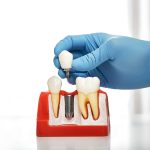
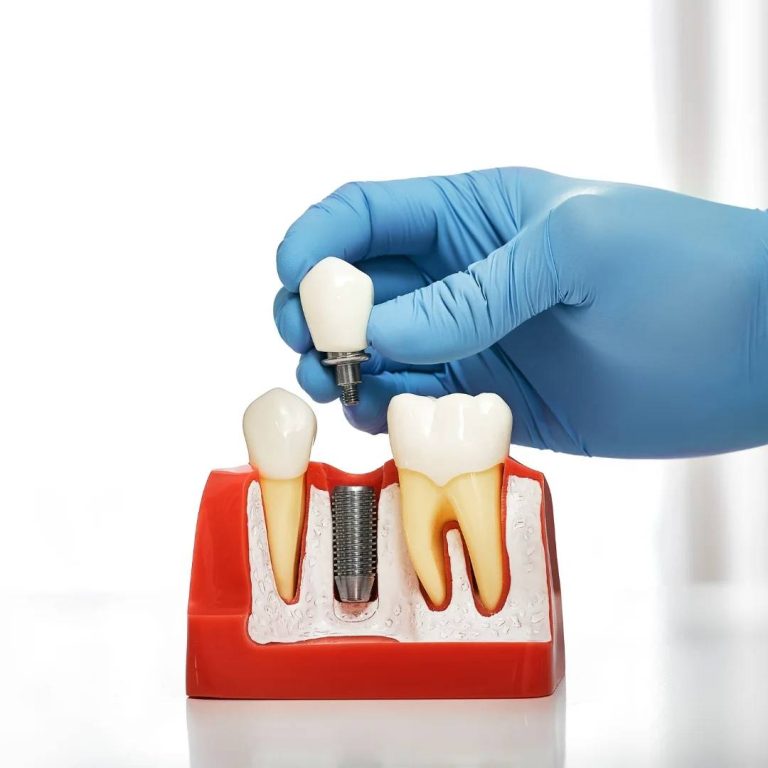
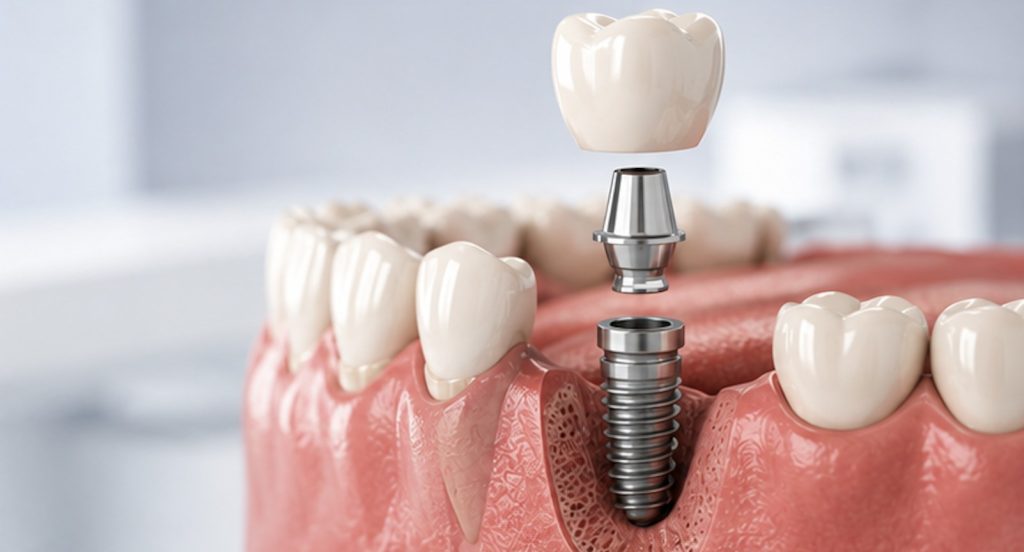
A single tooth implant is the most common implant procedure in Ontario. It involves three components – the titanium post, the abutment connector, and the porcelain or zirconia crown – and the total cost typically falls between $3,000 and $6,000 when all three are included in the quote.
Here’s how the components break down individually:
- →Implant post (titanium fixture): $1,500 to $3,000. This is the surgical component placed into the jawbone. Price varies by implant brand – premium systems like Nobel Biocare and Straumann cost more than generic alternatives but carry stronger long-term clinical data.
- →Abutment: $500 to $800. The connector piece that joins the post to the crown. Usually titanium or zirconia.
- →Crown: $1,000 to $2,000. Custom-fabricated to match your surrounding teeth. Zirconia crowns sit at the higher end of the range but are stronger and more lifelike than porcelain-fused-to-metal alternatives – worth the premium for front teeth especially.
Be cautious of any single tooth implant quote below $2,500. At that price point, something is almost certainly missing – either the crown, the abutment, or preparatory work that will appear as a separate charge later. Always ask for a fully itemized quote before comparing clinics.
Multiple teeth and full arch implant costs
When more than one tooth needs replacing, the type of procedure changes significantly – and so does the cost structure. Here are realistic 2025 ranges across Ontario for each scenario:
Implant-supported bridge (multiple adjacent teeth)
When two or more adjacent teeth are missing, an implant-supported bridge uses two implant posts to support three or more replacement teeth. This is more cost-effective per tooth than individual implants. Expect to pay $6,000 to $12,000 depending on the number of teeth replaced and the materials used.
All-on-4 implants
All-on-4 uses four strategically placed implants to support a full arch of teeth – upper or lower. It’s the most common full-arch solution in Ontario and typically costs $20,000 to $35,000 per arch. Full mouth restoration (both upper and lower arches) generally runs $40,000 to $65,000. The wide range reflects significant differences in clinic pricing, materials, and whether the procedure is performed in a general practice or a dedicated implant clinic.
All-on-6 implants
Similar to All-on-4 but uses six implants for greater stability and load distribution. Recommended when bone density allows and for patients wanting the most secure full-arch result. Costs typically range from $25,000 to $40,000 per arch.
Implant-supported dentures
Two to six implants anchor a removable or fixed denture. A more accessible entry point for full-arch implant treatment, starting around $10,000 to $14,000 for a removable (snap-on) version and $16,000 to $22,000 for a fixed version per arch.
Mini dental implants
Smaller diameter posts used when bone volume is limited or to stabilize lower dentures. Cost $1,500 to $3,000 per mini implant, or approximately $6,000 to $10,000 for denture stabilization using four mini implants.
Additional costs that are often quoted separately
One of the most common sources of confusion – and frustration – when comparing implant quotes is that not all clinics include the same items in their headline price. Some of the most frequently excluded costs include:
- →Tooth extraction: $200 to $500 per tooth. If the tooth being replaced hasn’t been extracted yet, this is an additional cost.
- →Bone grafting: $500 to $2,000 for a minor graft. Needed when there isn’t enough bone volume at the implant site – more common than most patients expect, particularly if a tooth has been missing for some time.
- →Sinus lift: $2,000 to $5,000. Required for upper jaw implants when the sinus cavity sits too close to the implant site due to bone loss. Not needed for all patients.
- →3D CT scan (CBCT imaging): $200 to $500. Used to plan implant placement with precision. Some clinics include this in the consultation; others charge separately.
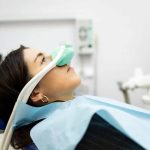
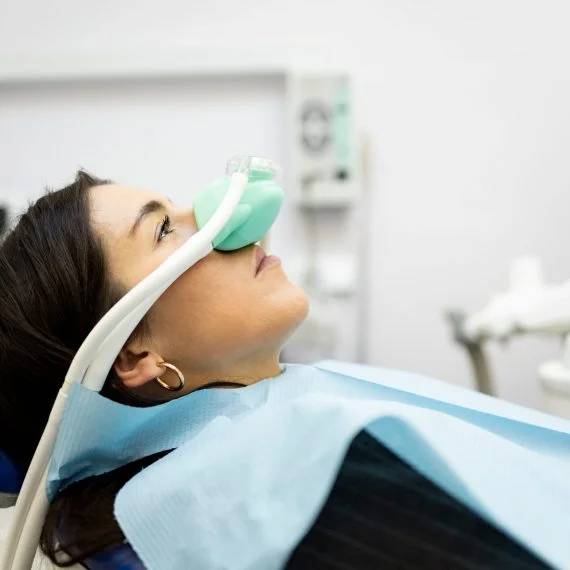
- →Sedation: $300 to $1,000 depending on the type. Local anesthetic is standard and included in most quotes. Oral sedation, nitrous oxide, or IV sedation are usually additional.
- →Temporary crown during healing: Sometimes included, sometimes not. Always confirm whether a temporary restoration is part of the quoted price.
A reputable implant provider will identify likely preparatory procedures upfront and give you a complete picture of total cost before you commit to anything. If a clinic gives you a headline number without discussing any of these items, ask specifically whether each one is included.
Always ask for a fully itemized quote that includes the post, abutment, crown, imaging, and any likely preparatory work. A quote that looks low but excludes bone grafting and extraction may end up costing more than a higher all-in quote from a different clinic. At My Dental Implant, we provide a complete itemized treatment plan before you commit to anything.
What drives prices up – and down
Understanding the factors that influence implant pricing helps you evaluate what you’re being quoted and why one clinic might charge significantly more or less than another.
Clinic location
Toronto and GTA clinics typically charge 15 to 25% more than clinics in smaller Ontario cities. This reflects higher overhead costs – rent, staffing, and operating expenses – rather than differences in the quality of care. If you’re in a major urban centre, it may be worth comparing quotes from clinics in surrounding communities.
Implant brand and system
Premium implant brands like Nobel Biocare, Straumann, and Zimmer Biomet cost more than generic systems – sometimes significantly so. The difference matters because top-tier brands have 20 to 30 years of documented clinical outcomes, standardized component sizes that can be serviced anywhere in the world, and lower documented failure rates. Generic systems can work well, but they carry less long-term data and can create compatibility issues if you ever need work done at a different clinic.
Experience matters
Experienced implant dentists and oral surgeons typically charge more than dentists who place implants only occasionally. The premium reflects higher case volume, specialized training, and lower complication rates. The cost of a failed implant – both financially and in terms of healing time – almost always exceeds the cost difference between an experienced implant dentist and an occasional one.
Crown material
Zirconia crowns are the gold standard – stronger, more lifelike, and more resistant to chipping than porcelain-fused-to-metal alternatives. They cost $300 to $600 more per crown but are the better long-term investment, particularly for front teeth where appearance matters most.
Case complexity
A straightforward single implant in a patient with healthy bone and gums will always cost less than a case involving bone loss, gum disease treatment, or multiple teeth. Complexity is the biggest driver of cost variation between patients – two people quoted different prices for the “same” procedure may simply have very different clinical pictures.
Does insurance cover dental implants in Ontario?
This is one of the most common questions we receive – and the answer is more nuanced than a simple yes or no.
OHIP does not cover dental implants. The Ontario Health Insurance Plan excludes all dental implant costs regardless of medical necessity or patient income.
Private dental insurance coverage varies widely depending on your plan. Most employer-provided plans cover a portion of implant-related costs – commonly diagnostic x-rays (at 80%), the consultation fee, or the crown component (at 50% up to an annual maximum). Very few plans cover the implant post itself. Annual maximums on most plans range from $1,000 to $2,500, which limits total reimbursement but can still make a meaningful difference to your out-of-pocket cost.
A clause to watch for in your plan documents is the missing tooth clause – some plans exclude coverage for teeth that were already missing before your coverage began. If you’ve been without a tooth for some time, this may affect your reimbursement. It’s worth having your benefits checked carefully before assuming what’s covered.
The Canadian Dental Care Plan (CDCP), launched by the federal government in 2024, provides dental coverage for eligible Canadians with a household income under $90,000. Coverage for implant-related services under the CDCP is limited but expanding. Check your eligibility at canada.ca/dental.
At My Dental Implant, we run a full insurance benefits check at your free consultation – we review your actual plan details and tell you exactly what’s covered before you commit to any treatment.
Financing options – making implants accessible
The upfront cost of implants is the most common reason patients hesitate – and it’s a legitimate concern. But flexible financing makes the monthly payment far more manageable than most patients expect.
- →Monthly payment plans: Through third-party financing partners, most patients qualify for payment plans starting from $99 per month over 12 to 60 months. A single tooth implant at $4,500 financed over 36 months works out to approximately $140 per month.
- →0% interest promotions: Some financing partners offer promotional 0% interest periods of 12 to 18 months for qualified applicants – effectively spreading the cost with no interest if paid within the promotional window.
- →Phased treatment: For patients needing multiple implants, treatment can often be staged across two or more appointment periods – spreading costs over 6 to 12 months without formal financing.
When considering financing, it’s also worth comparing the monthly cost against what you’re currently spending on denture maintenance, adhesives, and replacements. Many patients discover that implant payments cost less per month than the ongoing costs of their current solution.
The 20-year cost picture – implants vs. alternatives
The most important cost comparison isn’t the upfront price – it’s the total cost over time. When you account for replacements, relining, adhesives, and the downstream costs of untreated bone loss, the picture changes significantly.
For a single missing tooth over 20 years:
- →Dental implant: Initial cost of approximately $4,500 plus one crown replacement at around year 20 ($1,500). Total: approximately $6,000.
- →Dental bridge: Initial cost of approximately $3,500, plus one replacement needed around year 10 to 12 ($3,500), plus potential remedial work on the adjacent teeth that were ground down for the bridge. Total: $9,000 to $12,000 or more.
- →Full dentures: Initial cost of approximately $2,500, plus three or more replacements over 20 years ($7,500), relining every 1 to 2 years ($2,000), and daily adhesive costs ($7,200 over 20 years at $30 per month). Total: $19,000 to $20,000 or more. This figure does not include additional dental costs caused by progressive bone loss.
Implants have the highest upfront cost and the lowest long-term cost. The higher your starting number, the more dramatic that reversal becomes over time – which is why full-arch implant solutions, despite their significant upfront investment, are often more economical than a lifetime of denture maintenance for patients who live another 20 or 30 years with the decision.
Dental implants cost more on day one and less over a lifetime. For most patients in good health, the 20-year total cost of implants is lower than dentures or bridges – even before factoring in the quality-of-life and bone health advantages that have no direct monetary equivalent.
The bottom line
Dental implant costs in Ontario range from $3,000 to $6,000 for a single tooth and $20,000 to $65,000 for full-arch solutions – but the number that matters most is your personal all-in cost, which depends on your specific clinical situation, insurance coverage, and treatment plan. Generic price ranges can only tell you so much.
The only way to get an accurate cost for your case is a free consultation where your bone density, gum health, and treatment needs are assessed directly. At My Dental Implant, that consultation includes a full oral assessment, a benefits check on your insurance plan, a review of financing options, and a completely itemized treatment plan – all at no cost and with no obligation to proceed. Book yours at any of our Ontario partner locations.