
Ontario Implants
Ontario's dedicated dental implant network - connecting patients with trusted implant providers near them, at every budget.
Candidacy assessment
Financing available
Most adults qualify
common concerns
What's Holding You Back?
Here's how we address the concerns that keep most patients from taking the first step.
Comparison
Implants vs. dentures vs. bridges
Every option has trade-offs. Here's an honest breakdown across the criteria that matter most.
Day-to-day impact
Comfort and daily life - the real difference
The table tells you the facts. Here's what those facts actually mean for how you live.
Meet the specialists
Experts You Can Trust
Every implant placed through Ontario Implants is performed by a credentialed specialist with extensive hands-on experience.
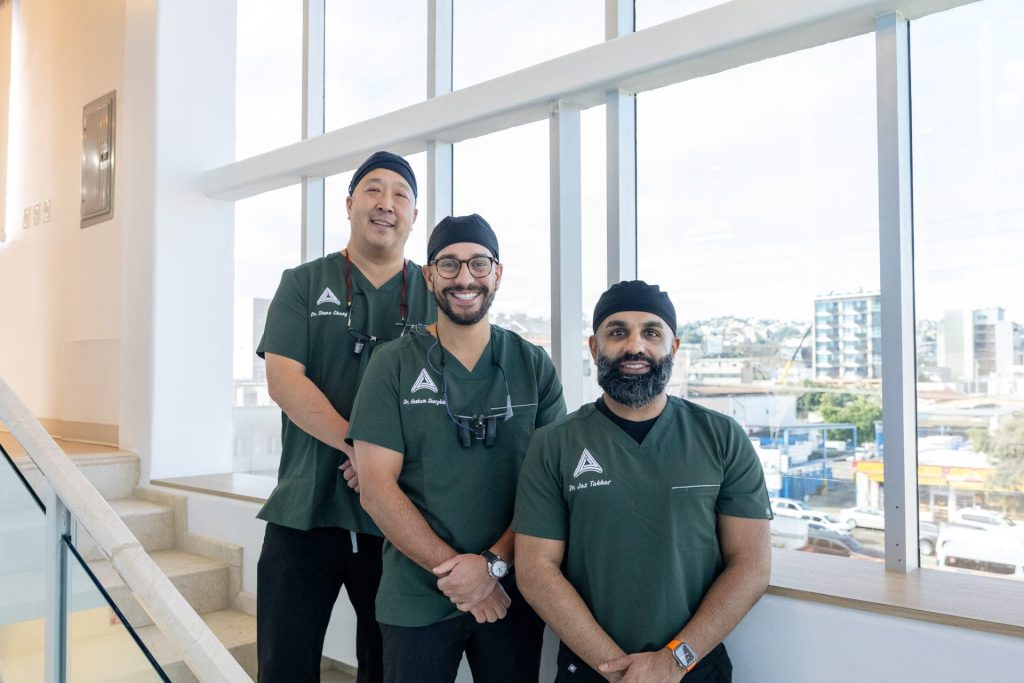
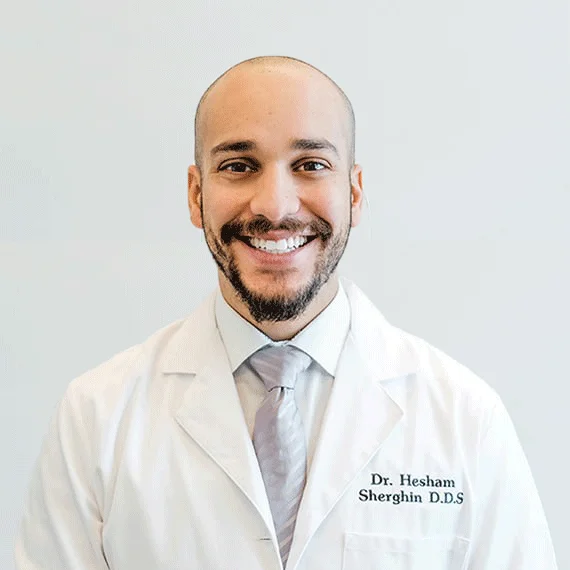
Dr. Hesham Sherghin
dentist
D.D.S.
M.Sc. x3
M.B.A.
15 yrs experience

Dr. Steve Chang
dentist
D.D.S.
M.Sc. x2
F.R.C.D.C.
10+ yrs experience
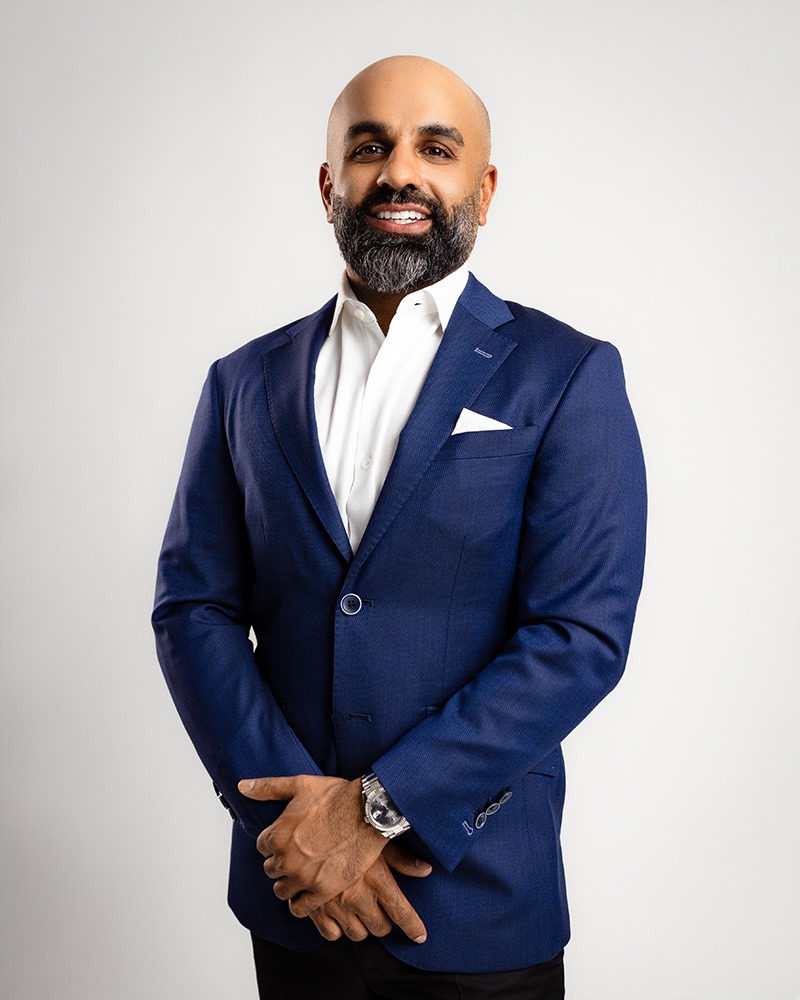
Dr. Jaskaran Takhar
dentist
D.D.S.
B.Sc.
10+ yrs experience
Real Patients
Stories from Our Patients
Every smile here started with one free consultation.
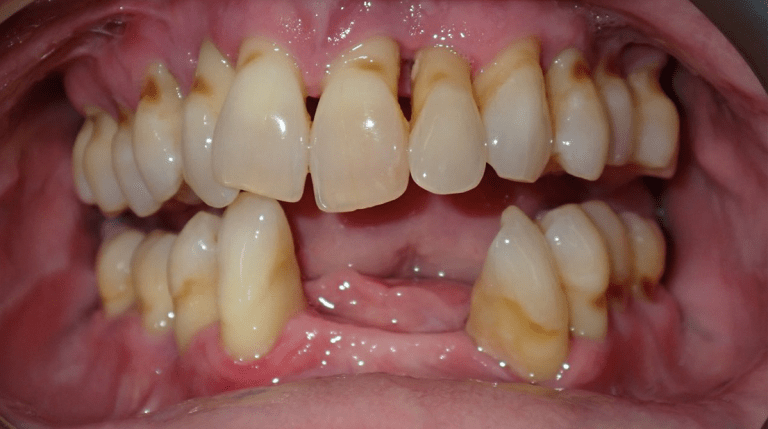
Before & After Gallery
Examples of our work
See the incredible transformations.
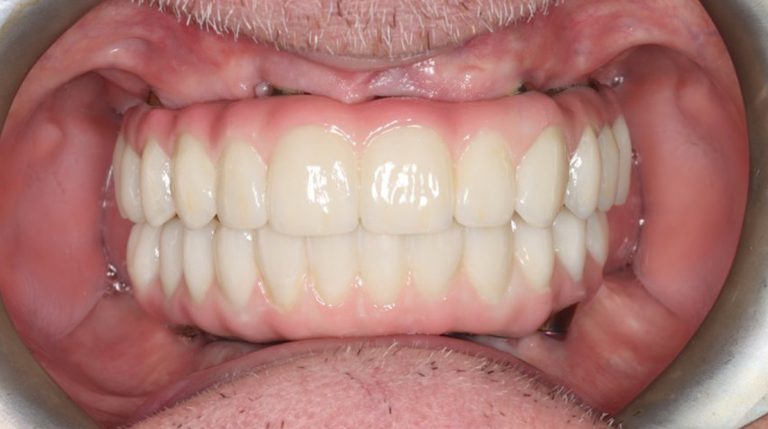
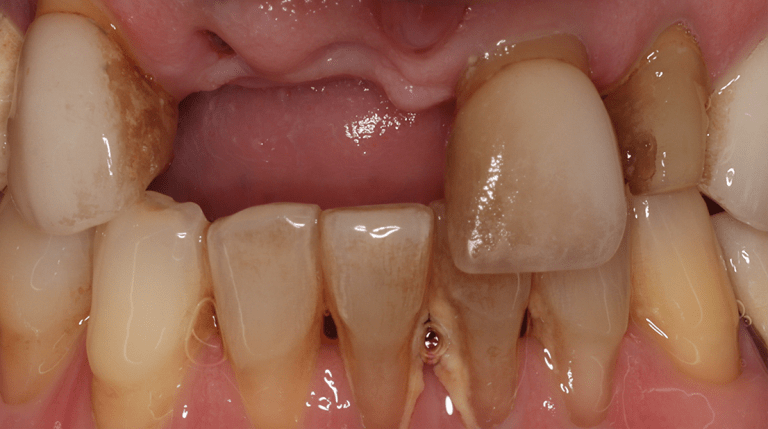
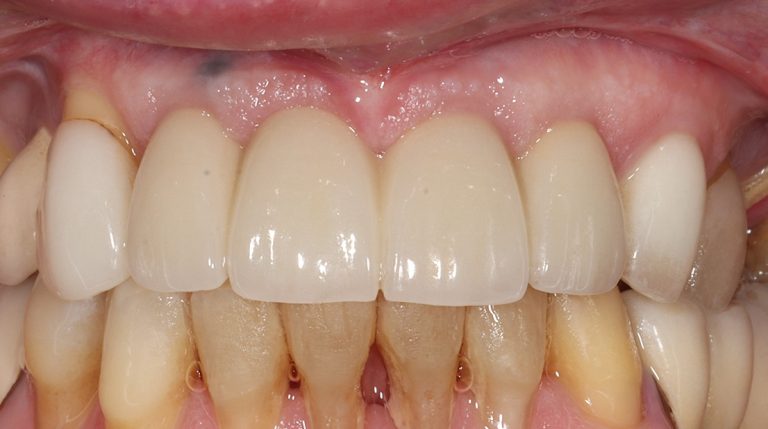
FAQ
Questions We Get Asked Most
How long do dental implants last?
The titanium post is designed to last a lifetime. The crown may need replacement after 15–25 years. With proper care, many patients keep them indefinitely.
Does insurance cover implants in Canada?
Many plans cover portions - often the crown, consultation, or imaging. We run a benefits check at your free consultation so you know what's covered before committing.
What's the success rate?
Dental implants have a 95–98% success rate over 10 years - among the highest of any surgical procedure. We'll discuss any personal risk factors openly at your consult.
Can I eat normally after getting implants?
Yes - no food restrictions once healed. Steak, apples, corn on the cob. That's one of the biggest advantages over dentures.
Am I too old for implants?
There is no upper age limit. We treat patients well into their 80s. What matters is overall health and bone density — not your age.
How do I care for them?
Exactly like natural teeth. Brush, floss, and visit us for regular cleanings. No special products, no soaking overnight. They're part of your mouth now.
The Process
What to Expect, Step by Step
01
Free Consultation
Full oral assessment, honest options, and a transparent cost breakdown - at zero cost to you.
02
Custom Treatment Plan
Your personalized timeline, financing options, and insurance review - designed around your schedule and budget.
03
Implant Placement
A titanium post is placed under local anesthesia. Most patients go home the same day with a temporary crown.
04
Your Lasting Smile
Your implants will last 20-30 years and give you the smile you've always dreamed of.
Implant types
Types of dental implants
The right type depends on how many teeth you're replacing, your bone density, and your goals. Each card links to a dedicated guide.
Single tooth implants
One post, one crown. Used when one or a few teeth are missing and surrounding teeth are healthy. No impact on adjacent teeth.
Multiple teeth implants
An implant-supported bridge uses 2+ posts to support 3+ teeth - without affecting healthy surrounding teeth.
All-on-4 implants
A full arch of teeth on just 4 strategically placed implants. Ideal for patients missing most or all teeth. Often same-day.
All-on-6 implants
Six implants for additional stability. Recommended for patients wanting the most secure full-arch result where bone allows.
Implant-supported dentures
Dentures anchored to 2–6 implants. No slipping, no adhesive, and actively preserves bone. Removable or fixed.
Same-day implants
Post and temporary crown placed in a single visit for eligible patients. Candidacy determined by bone density and case specifics.
Mini dental implants
Smaller posts for limited bone volume or narrow spaces. Lower cost, shorter healing, but less bite force than standard implants.
Implants vs. dentures
A full side-by-side breakdown - cost over time, comfort, bone health, and lifestyle impact.
Implants vs. bridges
Bridges are faster upfront but require grinding healthy adjacent teeth. See how the long-term picture compares.
The basics
A dental implant has three parts
Unlike dentures (which sit on the gum) or bridges (which anchor to neighbouring teeth), an implant replaces the entire tooth — root, connector, and crown.
1
The crown
Custom porcelain or zirconia tooth - shaded to match your natural teeth exactly.
2
The abutment
A connector piece joining the post to the crown. Placed after osseointegration.
3
The implant post
A titanium screw placed into the jawbone - the permanent "root" that fuses with bone.
Dental implants were developed in the 1950s by Swedish surgeon Per-Ingvar Brånemark, who discovered that titanium forms a permanent bond with living bone. That discovery - osseointegration - is the foundation of every modern implant.
With a 95–98% ten-year success rate and over 50 years of clinical research, they are the most evidence-backed tooth replacement option available.What makes implants uniquely powerful: they are the only option that stimulates the jawbone.
When a tooth root is missing, surrounding bone slowly resorbs - changing your facial shape over time. An implant post prevents this.
Key distinction: Dentures and bridges replace only the visible tooth. A dental implant replaces the entire tooth - root, connector, and crown - restoring full function and preventing bone loss.
From Our Team
More to Explore
Educational content, clinic footage, and patient stories - updated regularly by our content team.
Education
"What Is Osseointegration?"
Short explainer for patients curious about the science.
Candidacy
Cost Concerns
We make it more accessible than you might think.
Patient Journey
"Consultation Process"
Dr. Sherghin walks you through a consultation appointment.